
How to Choose Energy-Storage Lead-Acid Batteries: Avoid Refurbished Units and Inflated Specs
Off-grid solar, UPS backup, home storage and small commercial backup all run on energy-storage lead-acid batteries. The market is full of refurbished units, cycled turnover stock, inflated capacity ratings and long-stored batteries. A case can look brand new and still lose half its capacity within six months. Here is how to select a durable, reliable battery in five steps.
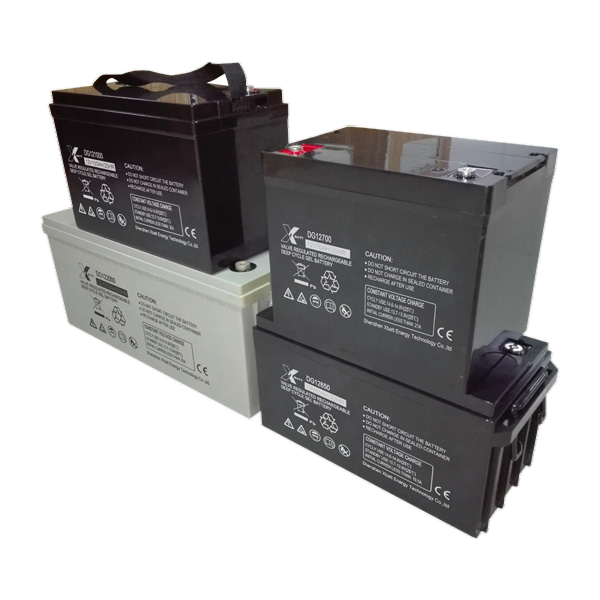
Off-grid solar, UPS backup, home storage and small commercial backup have long relied on energy-storage lead-acid batteries (AGM and GEL). The chemistry is mature, the cost is predictable and the safety threshold is low. The real risk is the market: refurbished units, cycled turnover batteries, inflated capacity ratings and long-stored stock are everywhere. A case can look factory-fresh and still lose half its capacity within six months. This guide walks through type selection, reading the specs, telling new from used, acceptance testing and contract terms.
1. First separate storage AGM from GEL — and never substitute a motive-power battery
The most common mistake is buying an electric-vehicle traction battery and using it for storage. Traction batteries are built for short bursts of high current, not the slow, shallow cycling of solar charging. Put one in a storage application and its service life is roughly halved.
VRLA storage batteries fall into two families:
- AGM storage type (starved electrolyte): the electrolyte is absorbed in ultra-fine glass-fibre matting, so it cannot leak. A good fit for room-temperature sites, float-charged UPS and stable solar storage. Low internal resistance, good charge acceptance, moderate price. The trade-off is faster degradation in heat, and DOD should stay within 50% — it is not designed for deep discharge.
- GEL storage battery: the electrolyte is immobilised as a silica gel, which resists high temperature, stratification and long idle periods, and holds up better under cycling. Suited to tropical climates, outdoor solar, frequent outages and sites with wide temperature swings. DOD should also stay at or below 50%; the price is higher than AGM of the same rating.
Rule of thumb: for indoor, room-temperature UPS on a tight budget, choose AGM. For outdoor solar, hot climates and export projects, choose GEL.
2. Read the real specs, not just volts and Ah
The 12V and 100Ah on a quotation are only the starting point. In storage applications, watch these four figures:
- DOD (depth of discharge): lead-acid should not be run flat. For standard AGM and GEL storage batteries, keep DOD at or below 50% in long-term use. Frequent deep discharge shortens cycle life quickly — this is the defining characteristic of lead-acid.
- Cycle life: at 50% DOD, a reputable storage battery typically delivers 300–600 cycles. Off-brand and refurbished units often claim thousands; do not accept that without a third-party test report.
- Internal resistance and self-discharge: consistency matters more than the absolute value. In a series string, a large spread in internal resistance creates a weakest-link effect and can scrap the whole string early. A healthy storage battery self-discharges at roughly 3% per month.
- Float and boost voltage: these must match your inverter and charger. A mismatch means chronic undercharge or overcharge, which leads to swelling, water loss and premature failure.
3. The critical part: identify new batteries and reject refurbished, turnover or re-maintained units
Refurbished batteries are often repainted and re-labelled, so the case alone tells you little. Work through these checks in order:
- Production batch code and date: prefer units made within the last six months. A battery stored for over a year can be "new" and still have lightly sulphated plates and reduced initial capacity from self-discharge. The batch code should carry a clear year, month and day, and the label must match the code embossed on the case. A label applied afterwards, blurred lettering or a label that peels off is a serious warning sign.
- Visual details: look for sanding marks, burrs on the corners, residual glue, a safety valve that has been turned or shows acid seepage, and terminals that are either clean and uncorroded or show signs of polishing. Refurbishers often acid-wash and polish terminals; they look bright for a short time, then oxidise white.
- Weight check (very effective): a genuine battery of a given model sits within a stable weight range. Get the manufacturer's datasheet weight first, then weigh several units. A clearly lighter battery most likely has thinner plates and an inflated capacity rating.
- Instrument acceptance test (essential for bulk orders): let the delivery rest for 4–8 hours, then measure open-circuit voltage. A new 12V storage battery normally rests around 12.7V; below 12.4V it is probably already discharged and sulphating. Where possible, run a capacity discharge test at the C10 rate down to the cut-off voltage and confirm actual capacity reaches at least 95% of the rating.
4. Certificates, datasheets and warranty — mandatory for export and bulk purchasing
Buying on a quotation alone is a large risk. Before ordering, request:
- ✅ A formal TDS, not a one-page price sheet, stating capacity, cycle curve, float parameters and operating temperature range;
- ✅ Test reports and certifications;
- ✅ Written warranty terms that distinguish new storage batteries from turnover stock, and specify the start date, the capacity-fade threshold, and whether the remedy is replacement or repair;
- ❌ Be wary of suppliers who only give verbal assurances, have no written specification, show blurry certificates or refuse to provide a discharge test plan.
5. Installation and usage: choosing well is only half of it
Half of a lead-acid battery's life depends on the battery, the other half on the system around it:
- The inverter or controller must provide a lead-acid charging profile and over-discharge protection. Control DOD strictly and avoid running the bank flat.
- Install in a ventilated place away from direct sun and high heat. 25°C is the optimum operating temperature for lead-acid; every 10°C rise roughly doubles the ageing rate.
- When building a series string, use the same batch, model and delivery date where possible so that internal resistance and voltage match, and equalise the batteries periodically.
- For long idle periods, top up the charge every one to two months to prevent sulphation.
6. Quick selection checklist
- Match the application: GEL for hot outdoor solar; AGM storage type for room-temperature indoor UPS. Never use a traction battery as a storage battery.
- Specs: check capacity, and ask explicitly about DOD and cycle life. Reject inflated capacity claims.
- Verification: check batch date, case code, weight and open-circuit voltage.
- Documents: obtain the TDS, test reports and the certifications relevant to your market, with the warranty in writing.
- Acceptance: keep a sampling step and test capacity and internal resistance on arrival.
- System: configure sensible charge and discharge protection in the controller, control depth of discharge, and extend service life.
For datasheets, samples or a bulk quotation on energy-storage AGM or GEL batteries, contact our technical team at any time.
Looking for a reliable battery supplier?
Send us your requirements — model, quantity and target market. Quote within 24 hours.
Get a Quote