Why LiFePO4 Is Replacing Lead-Acid in Leisure and Storage Applications
A practical comparison of cycle life, lifetime cost and sourcing considerations for importers evaluating a switch from lead-acid to LiFePO4.
Why LiFePO4 is replacing lead-acid in leisure applications
Lithium iron phosphate (LiFePO4) batteries have moved from niche to mainstream in RV, marine and solar storage. Here is what importers should know before switching a product line.
Cycle life comparison
- Lead-acid AGM deep-cycle: roughly 300–500 cycles at 50% depth of discharge
- GEL deep-cycle: up to 1,200 cycles at 50% DOD
- LiFePO4: 3,000+ cycles at 80% DOD
The lifetime cost per usable kilowatt-hour is what matters to end users — and that is where LiFePO4 wins despite a higher upfront price.
What to check before you buy
- Grade-A cells, not recycled or B-grade
- A BMS matched to your real discharge profile
- Test reports: UN38.3, IEC 62133, MSDS
- Whether your charger profile is compatible
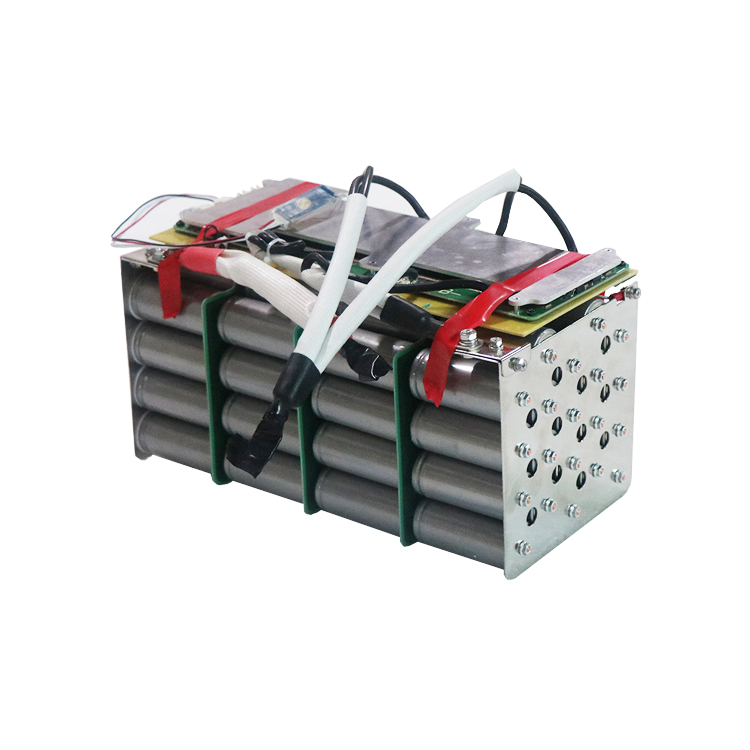
Most 12V LiFePO4 packs are drop-in replacements for lead-acid in terms of physical size and terminal layout, but charging voltage must be verified.
Sourcing considerations
For importers, the practical questions are MOQ, sample lead time and whether the factory can support private labeling. A supplier that offers engineering feedback within 48 hours and samples in 2–4 weeks is usually equipped for OEM work.
_Xbatt manufactures both lead-acid and LiFePO4 lines, which means we can advise objectively on which chemistry fits your market._
Looking for a reliable battery supplier?
Send us your requirements — model, quantity and target market. Quote within 24 hours.
Get a Quote