
Applications
Security & Emergency Lighting Batteries
These batteries spend 99% of their life doing nothing, then have to deliver full rated current on the one day it matters. That makes two things critical: a float voltage that does not dry the cell out over five years of standby, and a documented capacity check that proves the runtime before an inspector asks for it.
What decides life in this duty
Size for standby plus alarm, not one of them
The load is the quiescent current for the whole standby period plus the alarm current for its rated duration, with margin for ageing. A panel that draws 40 mA idle and 2 A in alarm for 30 minutes needs both terms in the sum, then 25% headroom.
Five years of float is a slow dry-out
A float voltage set too high loses water that a VRLA cell cannot replace. Hold the manufacturer's figure at the actual enclosure temperature, and check it at commissioning, because a mis-set charger is the most common cause of a two-year failure.
The certificate is part of the product
Fire and emergency systems are approved as a assembly, not as a battery. Keep the battery's test evidence, batch traceability and commissioning discharge record with the panel documentation, because a replacement without paperwork can void the system approval.
What to put in the RFQ
- Standby current and alarm current in amps
- Required standby hours and alarm minutes
- Enclosure temperature range, indoor or outdoor
- Terminal type and available space in the panel
- Standard the installation is approved to
Series built for this duty
Pulled from the catalogue by application tag, not by marketing copy. Every series below is engineered for this load profile.
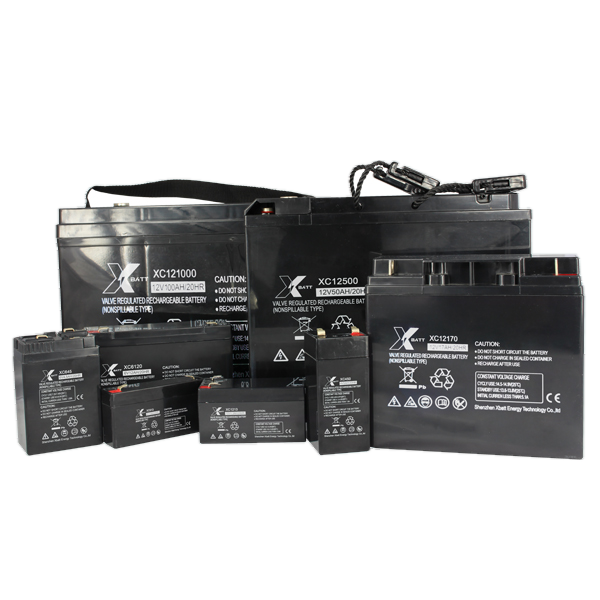
XC Series AGM Battery
View details →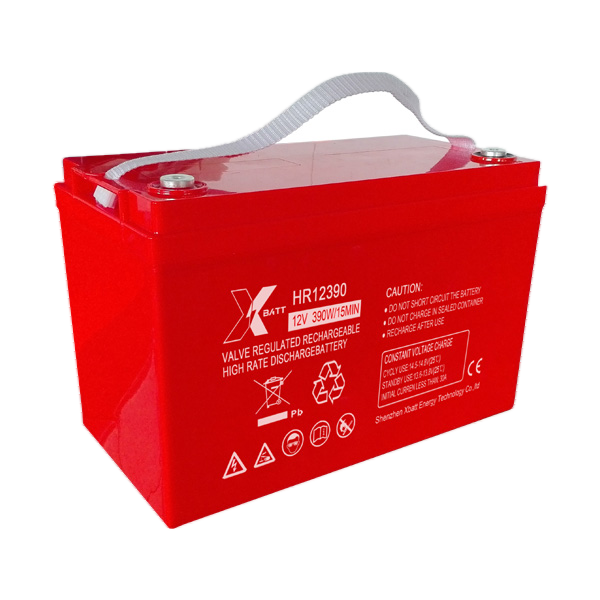
HR Series High-Rate Battery
View details →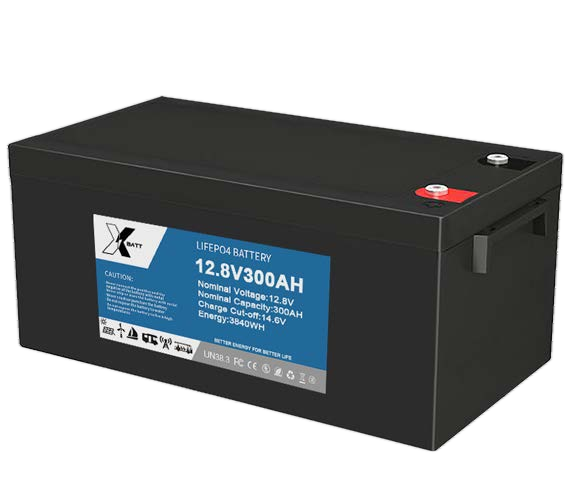
LR Series Lead-Acid Replacement Battery
View details →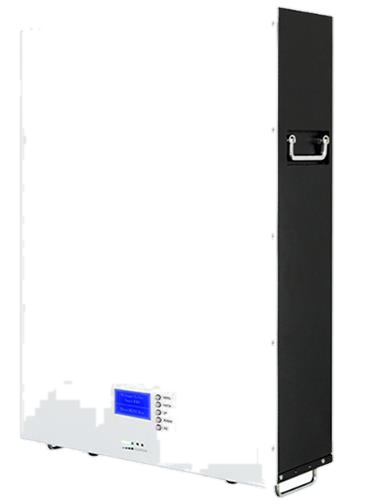
WM Series Wall-Mounted Energy Storage
View details →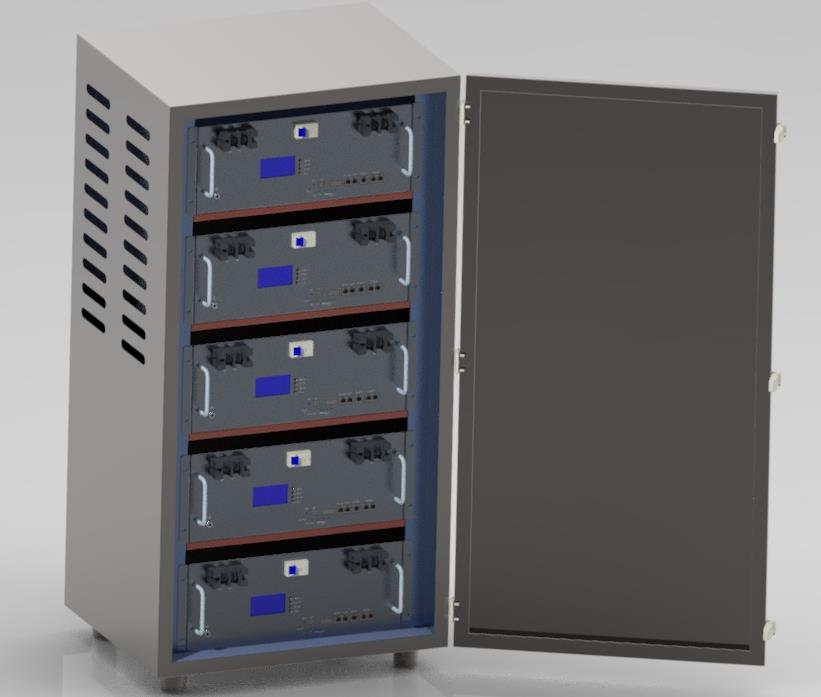
HV Series High Voltage Battery System
View details →Buyer questions
Can I use a standard AGM block in a fire panel?
Only if the panel's approval allows it and the block meets the standby and alarm current in the standard the installation follows. Many panels are approved with a specific battery type and size, so substituting a cheaper block can invalidate the certificate even when the Ah rating matches.
Why do emergency batteries fail early when they are never used?
Because standby is not rest. Continuous float at elevated temperature corrodes the positive grid and dries the electrolyte, and the first real discharge then exposes a capacity that has already gone. Annual impedance checks find that drift before the inspection does.
Should I replace all batteries in a panel at once?
Yes, when they are the same age and share a string. Mixing a new block with aged ones transfers the charge imbalance to the new cell, and the panel's runtime stays limited by the oldest unit in the loop.
Read before you quote
- How to Properly Maintain Your Batteries? Our Engineers Break Down the Manual, All the Essentials in One Read
- How to Tell If a Storage Lead-Acid Battery (Gel / AGM) Is Brand New or Refurbished
- Internal Resistance Testing and Maintenance for Lead-Acid Batteries
All applications
Send us the load profile
Tell us the voltage, runtime or days of autonomy, ambient temperature and target design life. We reply with a sized recommendation and an FOB price, usually within one working day.
Request a quote →