
Applications
Solar & Wind Storage Batteries
Off-grid and hybrid systems do not kill batteries by age. They kill them by never finishing a charge. A solar bank cycles every day, spends most of its life between 50% and 90% state of charge, and sits at whatever temperature the enclosure reaches. That is a different duty from standby, and it needs a battery rated for daily cycling, not a general-purpose block with a deep-cycle label.
What decides life in this duty
Partial state of charge sulfates the negative plate
When a bank rarely reaches full charge, lead sulfate hardens and stops converting back. Gel, lead-carbon and tubular plates resist this far better than a thin general-purpose AGM plate, which is why the cheap block is the expensive choice here.
The discharge rate on the label is not yours
A capacity quoted at C20 assumes a 20-hour draw. A solar bank usually discharges over 8 to 12 hours. Rate the bank at C10, and check that the quoted cycle life states the depth of discharge, because cycle counts at 30% DoD mean nothing at 70%.
Winter undercharge is the real killer
Charge voltage needs temperature compensation, roughly minus 3 to minus 5 mV per cell per °C above 25 °C, and a higher set point in cold weather. A bank that reaches only 2.35 V per cell for weeks will sulfate no matter how good the cells are.
What to put in the RFQ
- Daily load in Wh and days of autonomy required
- Charge controller profile and equalisation capability
- Lowest and highest ambient temperature at the site
- Depth of discharge you are willing to run
- Whether the bank must survive unattended for months
Series built for this duty
Pulled from the catalogue by application tag, not by marketing copy. Every series below is engineered for this load profile.
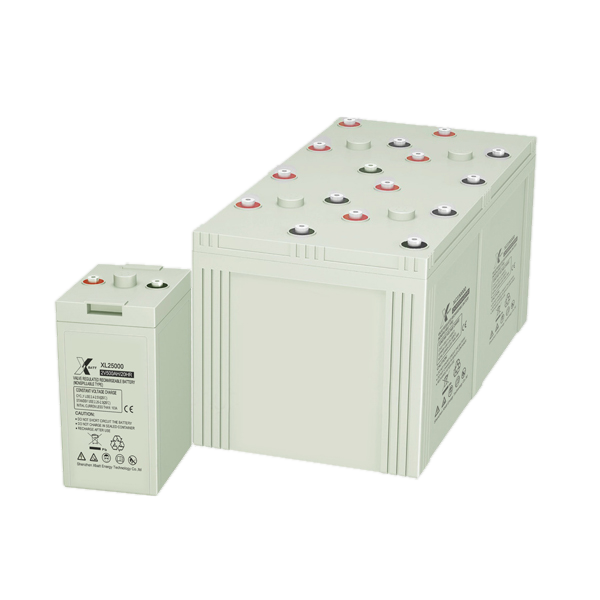
XL Series Long-Life AGM
View details →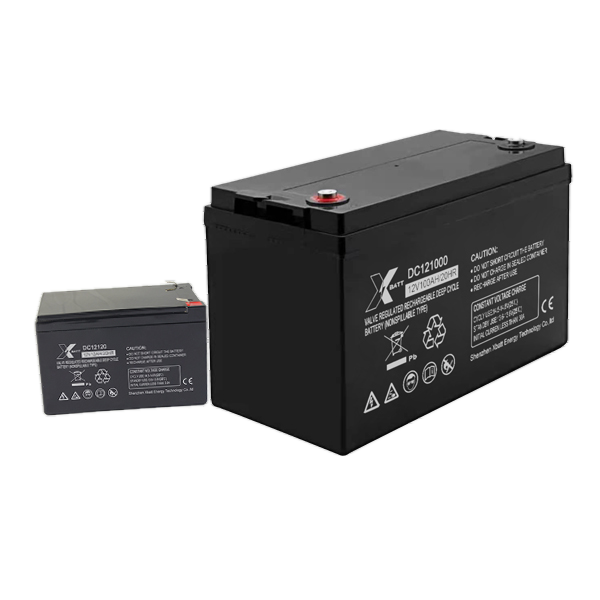
DC Series Deep-Cycle Battery
View details →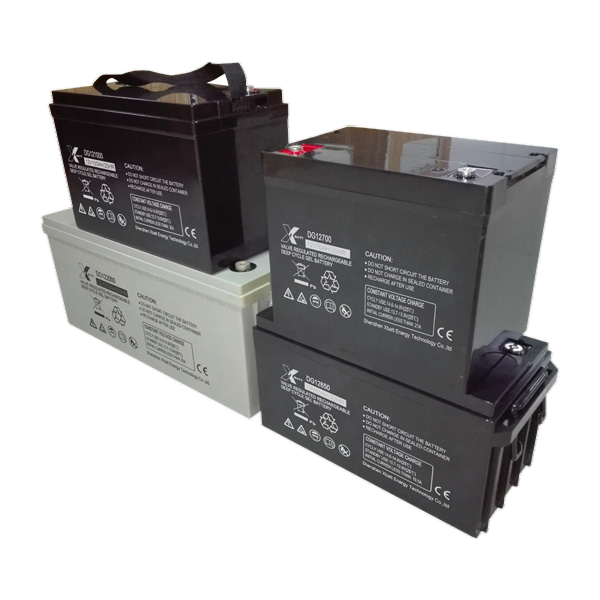
DG Series GEL Battery
View details →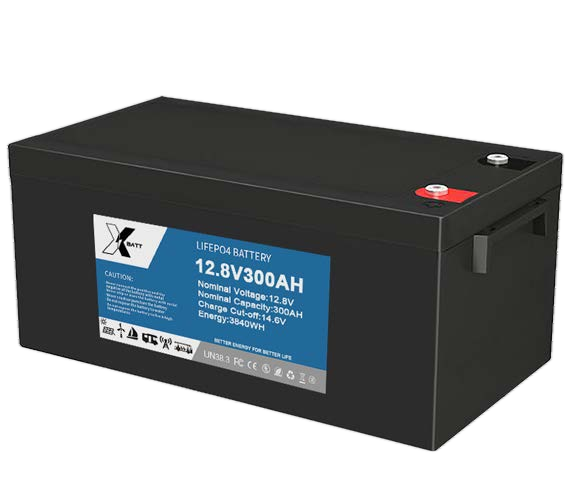
LR Series Lead-Acid Replacement Battery
View details →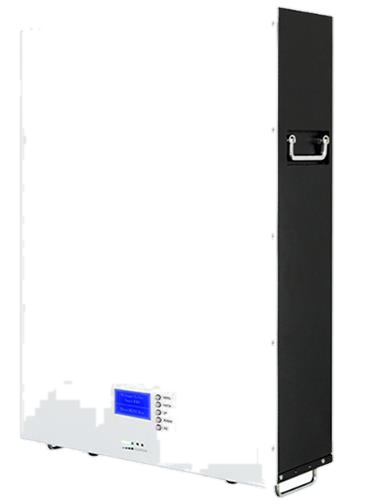
WM Series Wall-Mounted Energy Storage
View details →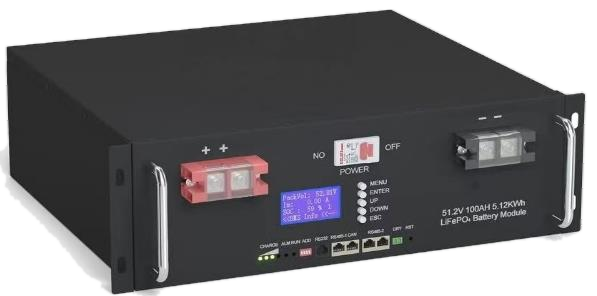
TBS Series Telecom Base Station Battery
View details →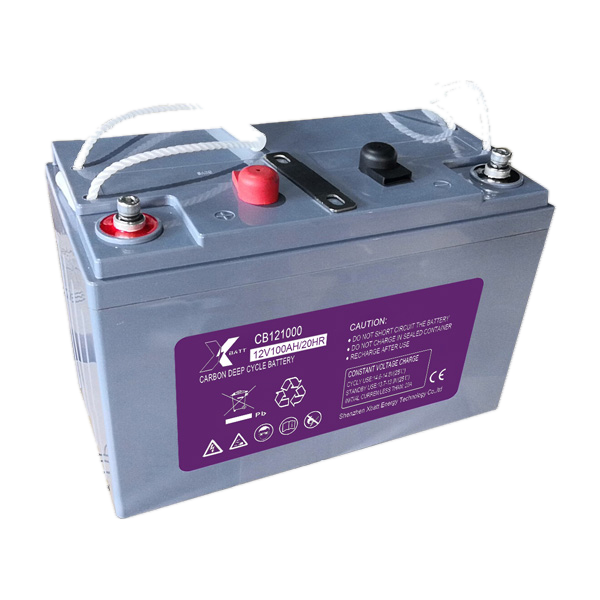
CB Series Lead-Carbon Battery
View details →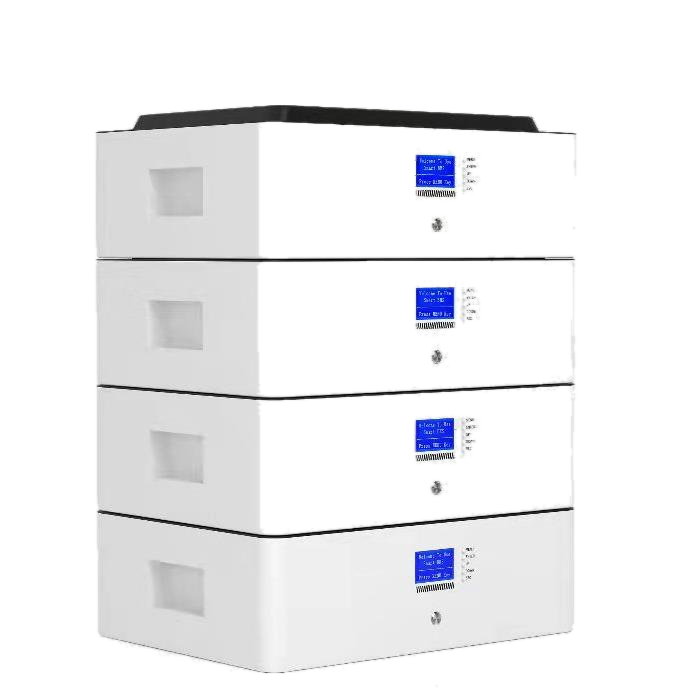
ST Series Stackable Energy Storage Battery
View details →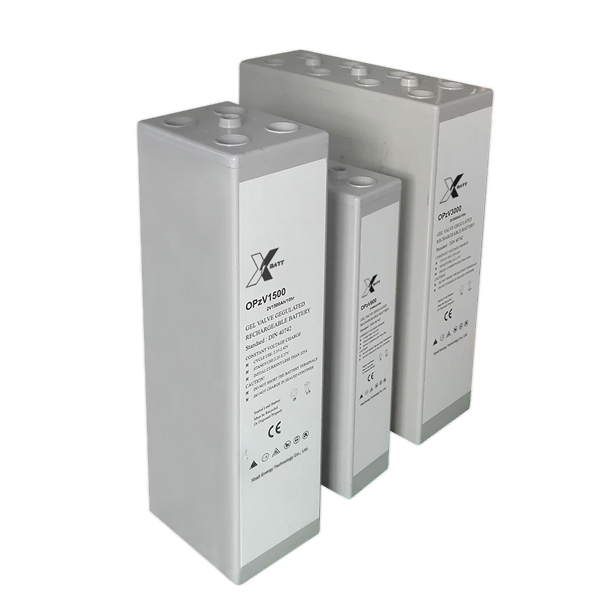
OPzV Series Tubular GEL
View details →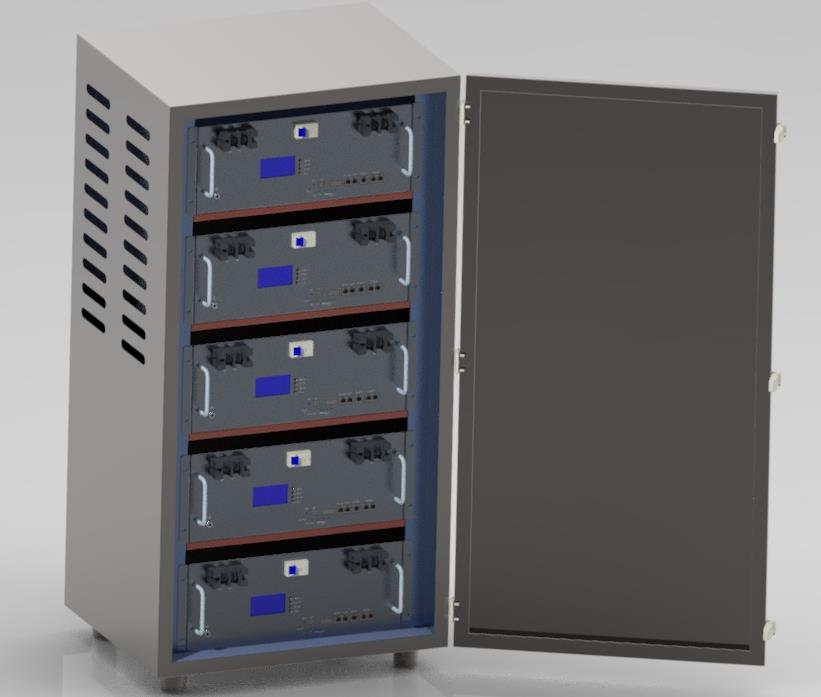
HV Series High Voltage Battery System
View details →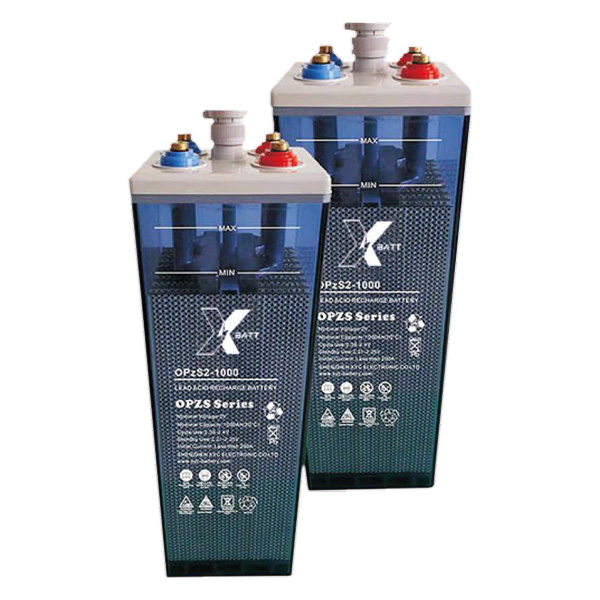
OPzS Series Tubular Flooded
View details →Buyer questions
How do I size a lead-acid bank for autonomy?
Divide daily Wh by system voltage to get daily Ah, multiply by autonomy days, then divide by the depth of discharge you accept and by inverter plus wiring efficiency. A 5 kWh daily load at 48 V for two days at 50% DoD lands near 500 Ah, not the 200 Ah the naive division suggests.
Is lead-carbon worth the premium over AGM?
In systems that cycle daily and rarely reach full charge, yes: lead-carbon tolerates partial state of charge and charges faster, so it often outlives two AGM sets. In a system that fully recharges most days, the gap narrows and plain gel is usually the better buy.
Can I mix old and new batteries in one bank?
No. A new block in series with aged ones takes the charge profile of the weakest cell and fails within months. Replace the string, or keep the old set as a separate reserve bank with its own charger.
Read before you quote
- Your Deep Cycle Lead Acid Battery Is Not Worn Out — It Is Sulfated
- AGM, GEL or LiFePO4: How to Choose a Solar Storage Battery
- C10 vs C20: Why the Same Battery Has Two Capacities
All applications
Send us the load profile
Tell us the voltage, runtime or days of autonomy, ambient temperature and target design life. We reply with a sized recommendation and an FOB price, usually within one working day.
Request a quote →