
Applications
RV & Marine Deep Cycle Batteries
A leisure battery does two jobs that pull in opposite directions: it cranks an engine for three seconds and then runs lights, fridges and pumps for two days. Add engine-room heat, constant vibration and a charging system designed for starting, not for storage, and the failure is predictable. The fix is matching chemistry to the charger, not buying the largest block that fits.
What decides life in this duty
The alternator never finishes the charge
Most alternators regulate near 13.8 V, which is a float voltage, not an absorption one. A gel or AGM bank run this way stays around 80% charged and sulfates. A DC-DC charger or a proper multi-stage shore charger is not an accessory here, it is the difference between four years and two.
Vibration and tilt rule out flooded
Engine rooms vibrate, hulls heel and lockers get stacked. Sealed AGM takes that without acid movement or spill, and can be mounted on its side. Flooded cells in the same place lose electrolyte through venting and corrode the terminals.
House and start banks are different products
A start battery needs cold-cranking amps for seconds; a house bank needs reserve capacity for hours. One dual-purpose block can cover a small campervan, but a liveaboard with a fridge and an inverter needs a true deep-cycle house bank and a separate start battery.
What to put in the RFQ
- House load in Ah per day and days between charges
- Charger or alternator output voltage and profile
- Available space, orientation and ventilation
- Engine start current if the bank is dual-purpose
- Expected temperature in the battery locker
Series built for this duty
Pulled from the catalogue by application tag, not by marketing copy. Every series below is engineered for this load profile.
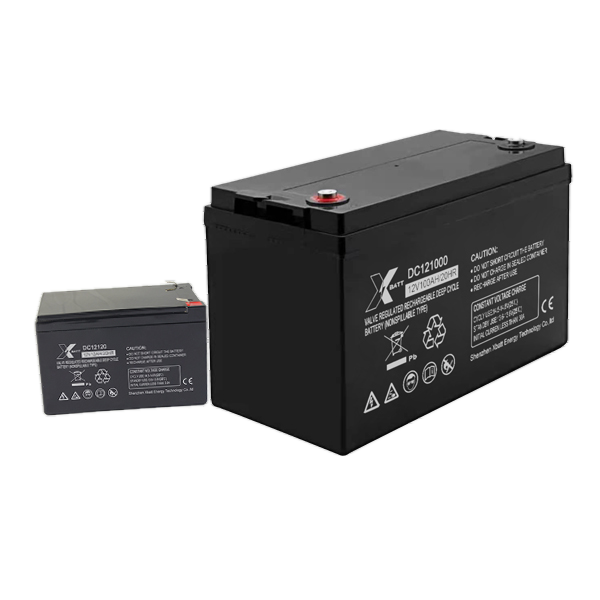
DC Series Deep-Cycle Battery
View details →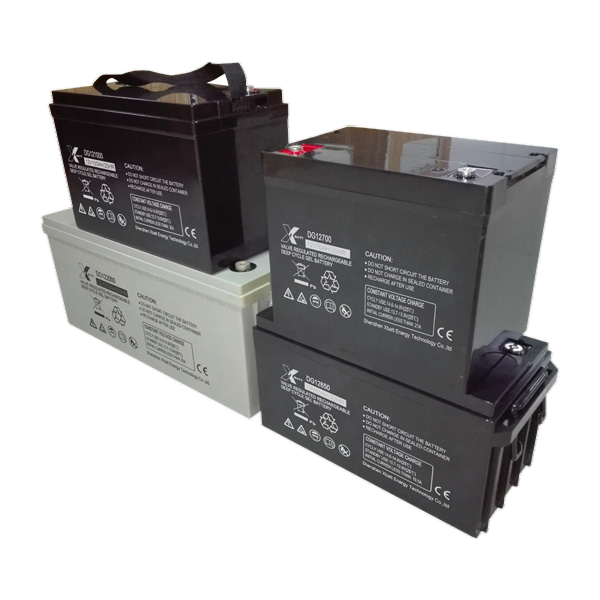
DG Series GEL Battery
View details →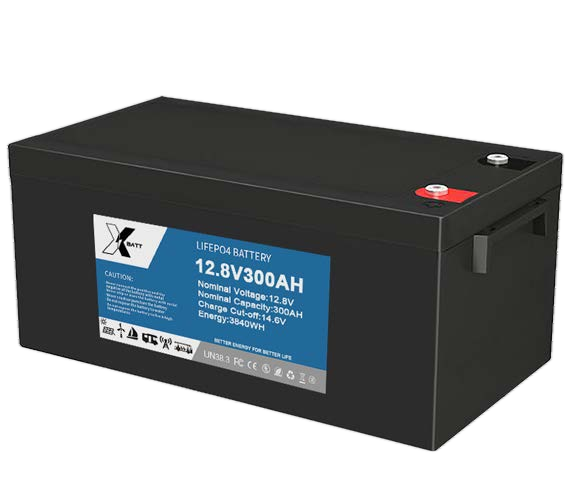
LR Series Lead-Acid Replacement Battery
View details →Buyer questions
AGM or gel for a boat?
AGM if the charging system is basic and you want fast acceptance plus vibration tolerance. Gel if the charger has a proper gel profile and the bank will be cycled deeply, since gel tolerates deeper discharge but charges more slowly and is less forgiving of overvoltage.
How long can I leave the battery unused?
Lead-acid self-discharges around 3% a month at 20 °C, faster when warm, and a bank left at 60% charge for a winter will sulfate. Charge it fully, disconnect it, and recharge every two to three months, or keep a maintenance charger on it.
Is a lithium house bank worth it on a yacht?
It roughly doubles usable capacity for the same weight and accepts charge far faster, but it needs a BMS, alternator protection and a charger with a lithium profile. On a small boat with a simple electrical system the extra kit often costs more than the weight saved is worth.
Read before you quote
- Why LiFePO4 Is Replacing Lead-Acid in Leisure and Storage Applications
- How to Optimize Charging Conditions to Extend Battery Service Life
- AGM, GEL or LiFePO4: How to Choose a Solar Storage Battery
All applications
Send us the load profile
Tell us the voltage, runtime or days of autonomy, ambient temperature and target design life. We reply with a sized recommendation and an FOB price, usually within one working day.
Request a quote →