
Applications
Golf Cart & Electric Vehicle Batteries
Traction duty is measured in minutes of high current, not hours of low current. A golf cart pulls several hundred amps from a stop, runs the pack down to 1.75 V per cell, then gets plugged in at lunchtime and run again. Deep-cycle plates and thick tubular grids survive that; a standby block with the same Ah label does not.
What decides life in this duty
Opportunity charging is partial-state-of-charge abuse
Plugging in at lunch and again overnight rarely completes a full charge, so the pack lives between 60% and 95%. Add a weekly full charge with a controlled overcharge, or the negative plate sulfates and the cart gets slower every month.
Cycle life claims need the depth attached
A 700-cycle figure at 50% DoD becomes roughly 350 cycles at 80%. Ask for the number at the depth the fleet actually runs, and ask whether it is IEC 60254 or an internal test, because the two are not comparable.
Fit is not cosmetic
Footprint, hold-down, terminal post height and cable lug size all have to match the tray. A block that is 5 mm too tall fouls the seat, and a taller post can arc against the frame after a hard stop. Send the tray dimensions with the RFQ.
What to put in the RFQ
- System voltage and number of blocks per pack
- Motor kW and controller current limit
- Typical daily run time and charging pattern
- Tray and hold-down dimensions, terminal type
- Whether a lithium drop-in is being considered
Series built for this duty
Pulled from the catalogue by application tag, not by marketing copy. Every series below is engineered for this load profile.
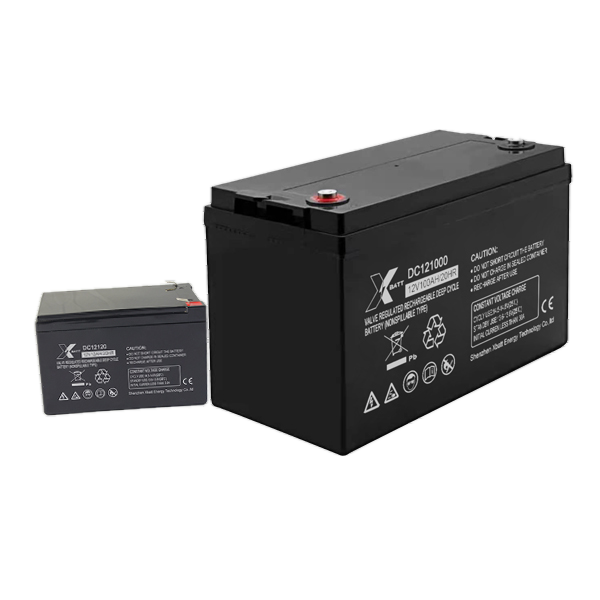
DC Series Deep-Cycle Battery
View details →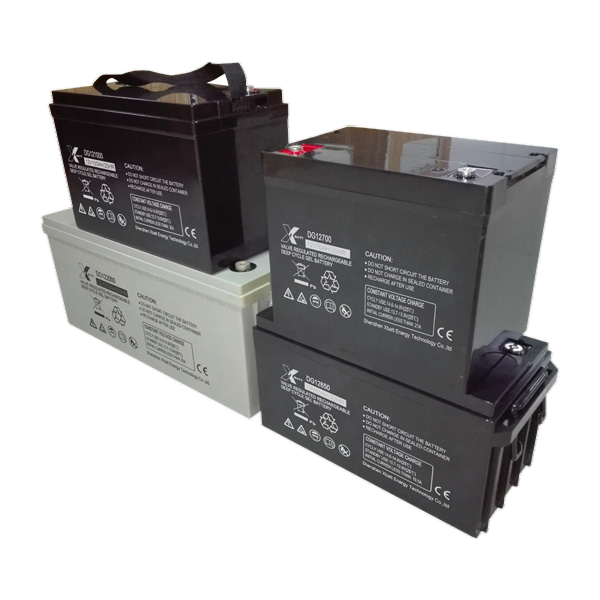
DG Series GEL Battery
View details →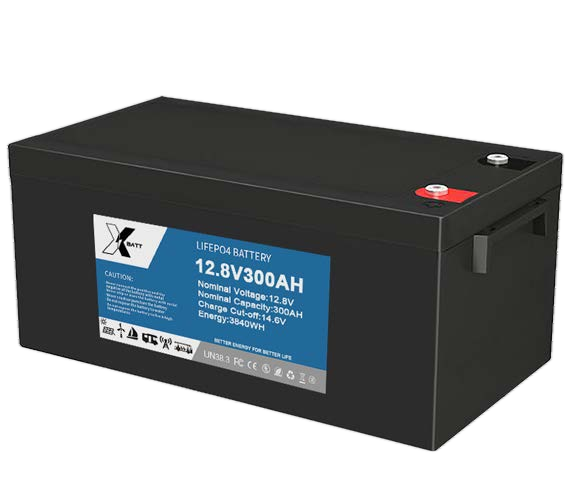
LR Series Lead-Acid Replacement Battery
View details →Buyer questions
Will a lithium drop-in work with my existing charger?
Rarely without changes. A lead-acid charger finishes at 2.40 to 2.45 V per cell and holds it, which is above what a LiFePO4 BMS wants to see for long periods. Either fit a charger with a lithium profile or accept a shorter pack life.
How do I get more range without a bigger pack?
Check the end voltage and the tyre pressure first. Running the pack lower than 1.75 V per cell adds almost no range and costs cycles, and under-inflated tyres on a course with hills can cost more range than the last 10% of capacity.
Flooded, AGM or gel for a cart fleet?
Flooded tubular is still the cheapest per cycle where someone can water it monthly. AGM suits fleets with no maintenance staff and indoor charging. Gel tolerates deeper discharge but charges slower, which hurts fleets that need a fast turnaround between shifts.
Read before you quote
- C10 vs C20: Why the Same Battery Has Two Capacities
- Why LiFePO4 Is Replacing Lead-Acid in Leisure and Storage Applications
- Your Deep Cycle Lead Acid Battery Is Not Worn Out — It Is Sulfated
All applications
Send us the load profile
Tell us the voltage, runtime or days of autonomy, ambient temperature and target design life. We reply with a sized recommendation and an FOB price, usually within one working day.
Request a quote →