
Applications
UPS & Data Centre Batteries
A UPS battery is sized in watts per cell for a fixed runtime, not in amp-hours. That one difference is where most tenders go wrong: a 100 Ah block that looks generous at the C20 rate may deliver a fraction of that at 15 minutes to 1.67 V per cell. We build high-rate AGM blocks and tubular VRLA cells for server rooms, switchgear, substations and containerised data halls, from 12 V 7 Ah wall units to 2 V 3000 Ah rack strings.
What decides life in this duty
Power per cell beats amp-hours
Ask for the watt figure at your real runtime: 15 minutes for most UPS, 5 to 10 for switchgear. Compare quotes at the same end voltage, because a 1.75 V cut-off flatters the number and shortens the backup you actually get.
Ripple and float voltage quietly cook the block
Charger ripple above roughly 2% RMS raises internal temperature without moving the room thermometer. Hold float at 2.27–2.30 V per cell at 25 °C, and measure at the battery terminals, not at the charger panel.
End of life shows up as resistance first
Grid corrosion and electrolyte dry-out push internal resistance up long before capacity collapses. An annual impedance trend catches the weak block while a full discharge test would still pass it.
What to put in the RFQ
- Runtime and end voltage, e.g. 15 min to 1.67 V/cell
- Load in kW today, plus expansion margin
- Ambient temperature inside the cabinet or room
- Rack dimensions and front or rear service access
- Design life target: 5, 10 or 15+ years
Series built for this duty
Pulled from the catalogue by application tag, not by marketing copy. Every series below is engineered for this load profile.
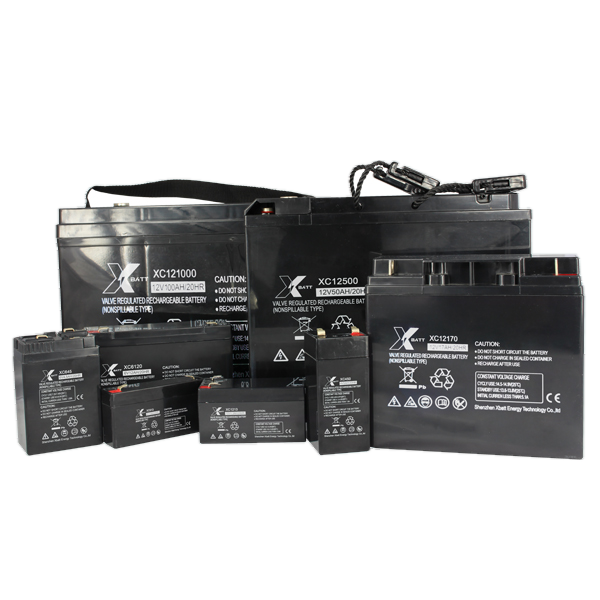
XC Series AGM Battery
View details →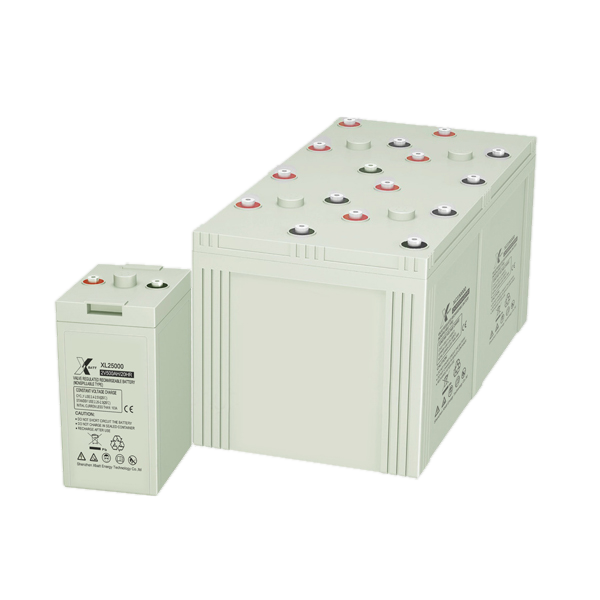
XL Series Long-Life AGM
View details →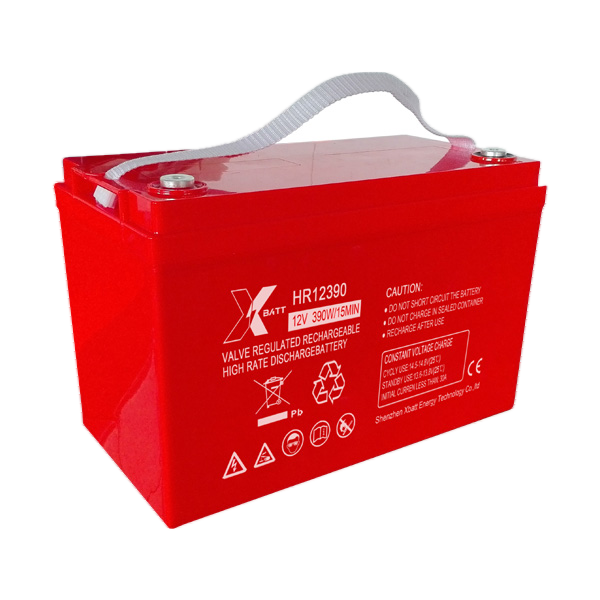
HR Series High-Rate Battery
View details →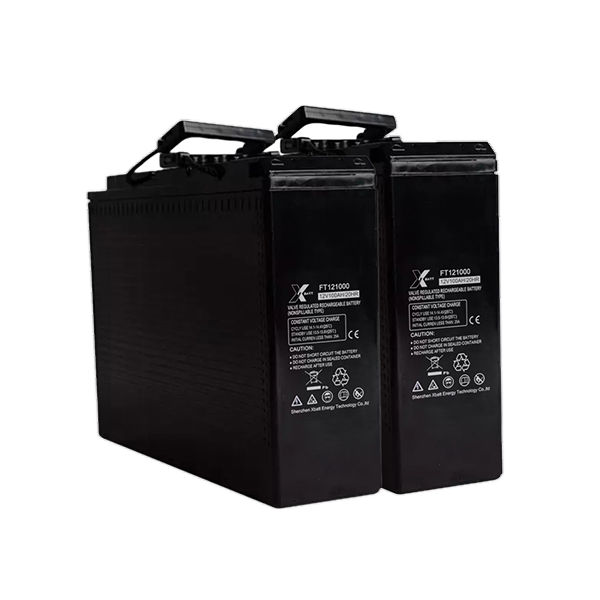
FT Series Front-Terminal Battery
View details →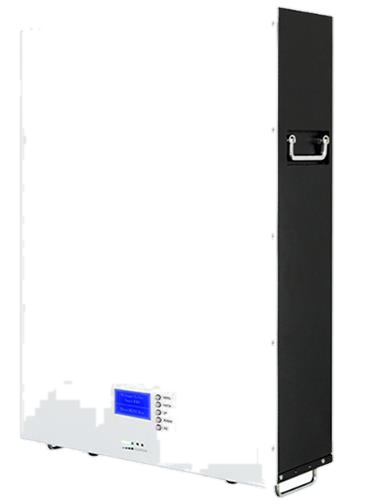
WM Series Wall-Mounted Energy Storage
View details →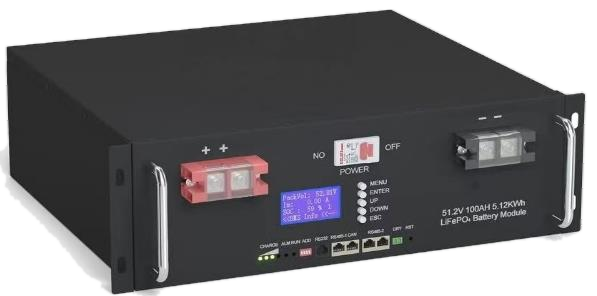
TBS Series Telecom Base Station Battery
View details →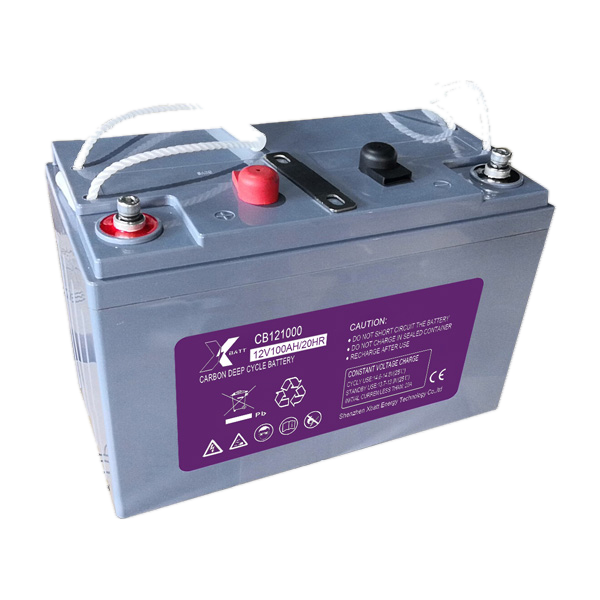
CB Series Lead-Carbon Battery
View details →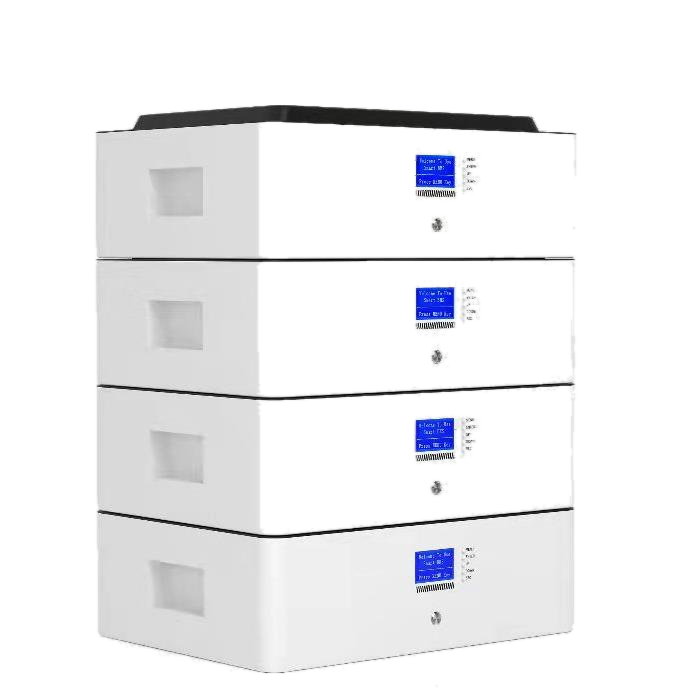
ST Series Stackable Energy Storage Battery
View details →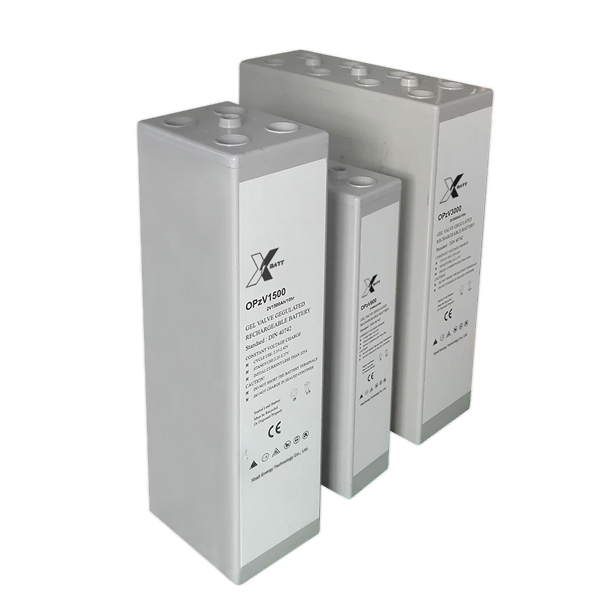
OPzV Series Tubular GEL
View details →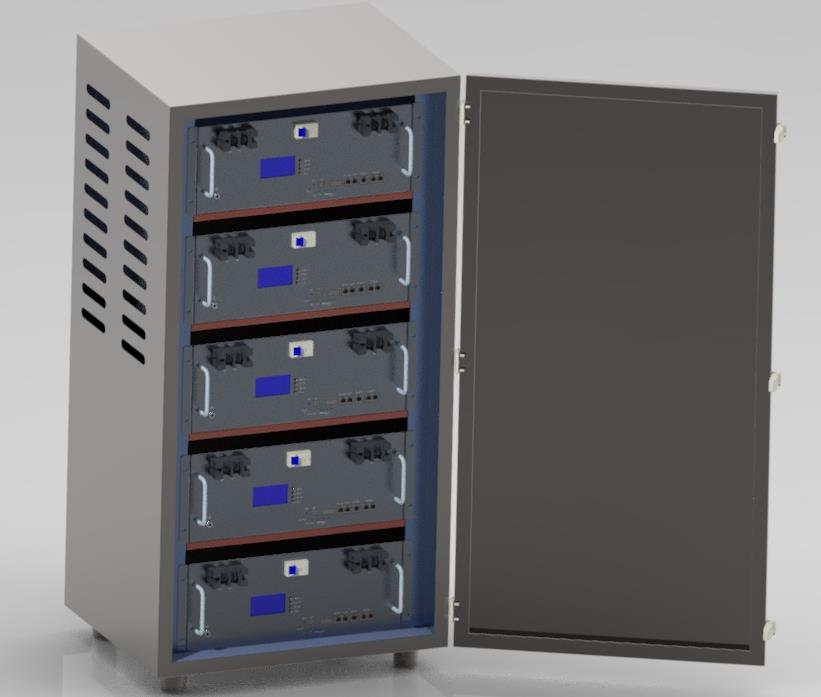
HV Series High Voltage Battery System
View details →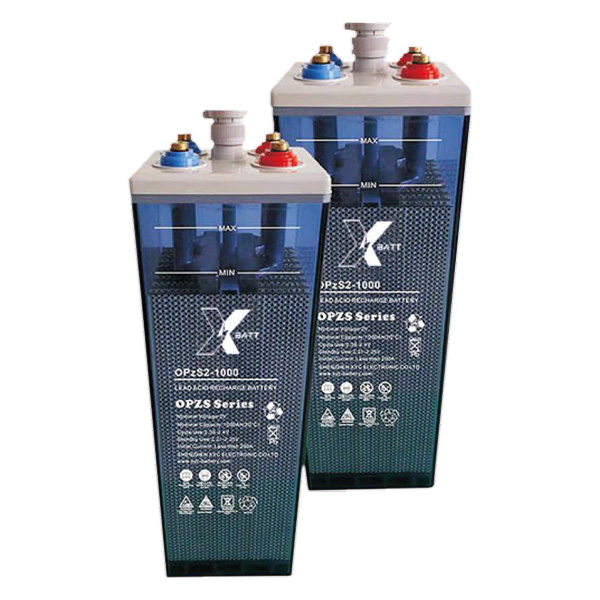
OPzS Series Tubular Flooded
View details →Buyer questions
Can I fit a larger Ah block for more runtime?
Only if the footprint, terminal layout and charger recharge current all still work. A bigger block on an undersized charger recharges slowly and sits at partial charge between outages, which is where most premature capacity loss starts.
AGM or tubular gel for a data centre?
AGM for short runtime, sealed cabinets and the lowest cost per kW. Tubular gel (OPzV) where the target is 15 to 20 years of design life, deeper cycling or high ambient temperature, since it tolerates both better at a higher price per kWh.
How often should a string be discharge tested?
An acceptance test at commissioning, an annual impedance or conductance check, and a full capacity test every three to five years, or sooner once impedance drifts more than about 20% from the commissioning baseline.
Read before you quote
- Is Lead-Acid Really Dead in AI Data Centres? Reading the 2026 Backup Power Debate
- Internal Resistance Testing and Maintenance for Lead-Acid Batteries
- One Bad Jar in a Lead-Acid String: Why We Replace the Whole String
All applications
Send us the load profile
Tell us the voltage, runtime or days of autonomy, ambient temperature and target design life. We reply with a sized recommendation and an FOB price, usually within one working day.
Request a quote →