
Applications
Telecom & Base Station Batteries
Telecom backup is a 48 V DC problem, not a 12 V one. Strings are built from twenty-four 2 V cells or four 12 V blocks, and the string is only as good as its weakest cell, so consistency matters more than headline capacity. Outdoor cabinets add a second problem: 45 °C inside a metal box in summer, which cuts both capacity and life well below the datasheet numbers.
What decides life in this duty
One weak block limits the whole string
In a series string every cell carries the same current, so the lowest-capacity cell sets runtime and the highest-resistance cell sets heat. Buy cells from one production batch, commission with a recorded discharge, and replace the string rather than a single jar.
Rack depth decides the terminal design
In a 19 or 23 inch rack against a wall there is no rear access. Front-terminal blocks put both posts on the same face so a technician can torque and test without pulling the shelf, which also shortens maintenance windows on live sites.
Remote sites cycle deeper than the design assumes
A site with unreliable mains may cycle weekly and sit at partial charge in between. That is tubular territory: OPzV or OPzS plates tolerate deeper discharge and repeated partial charging far better than flat AGM plates.
What to put in the RFQ
- Plant voltage and number of cells per string
- Backup hours at the site's measured load, not nameplate
- Cabinet internal temperature in the hottest month
- Rack type and whether rear access exists
- Target service life and maintenance interval
Series built for this duty
Pulled from the catalogue by application tag, not by marketing copy. Every series below is engineered for this load profile.
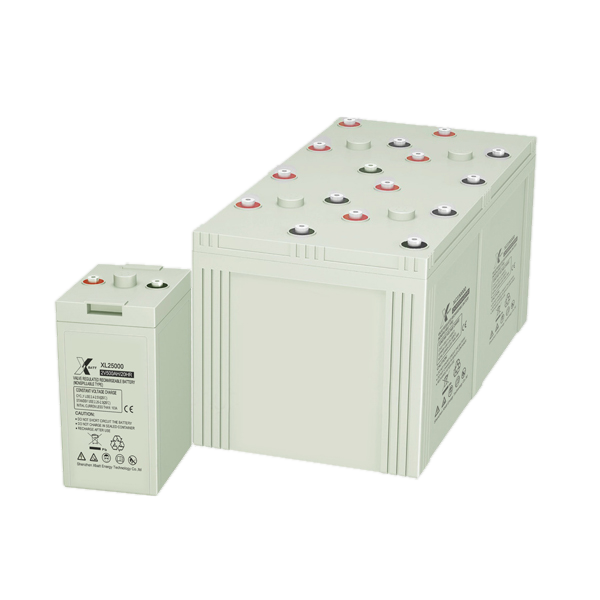
XL Series Long-Life AGM
View details →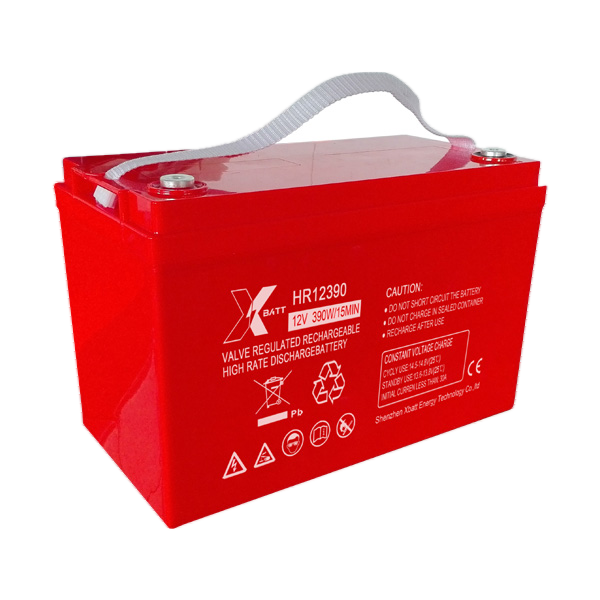
HR Series High-Rate Battery
View details →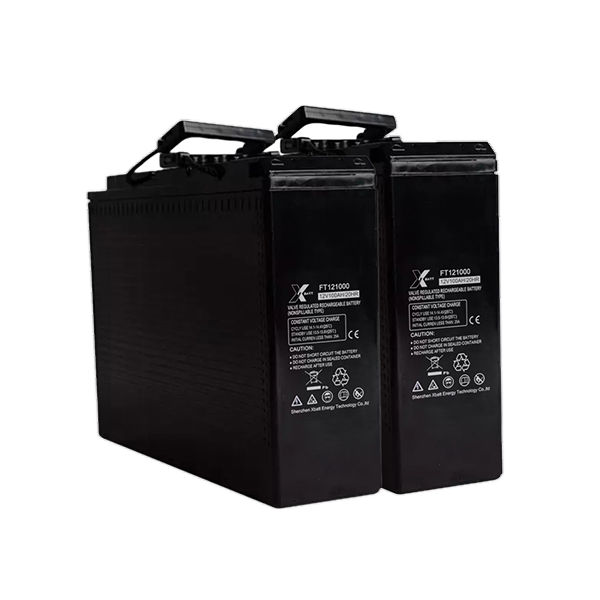
FT Series Front-Terminal Battery
View details →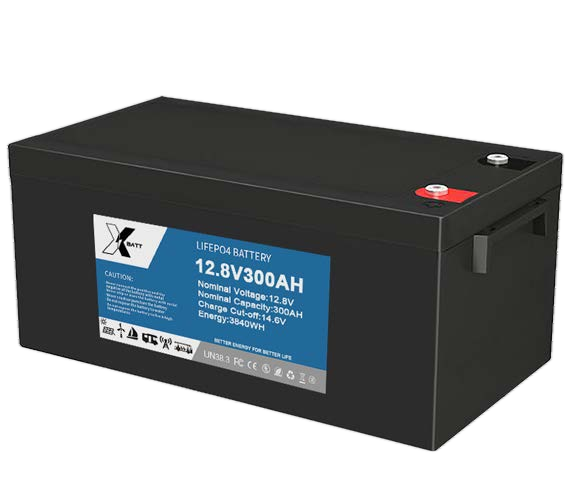
LR Series Lead-Acid Replacement Battery
View details →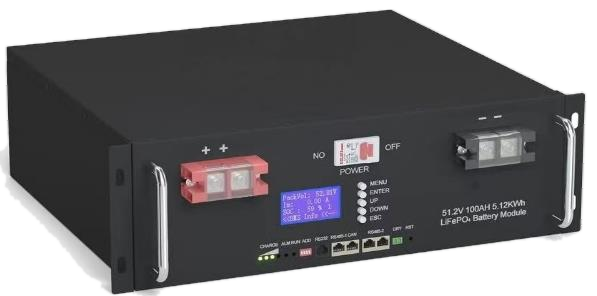
TBS Series Telecom Base Station Battery
View details →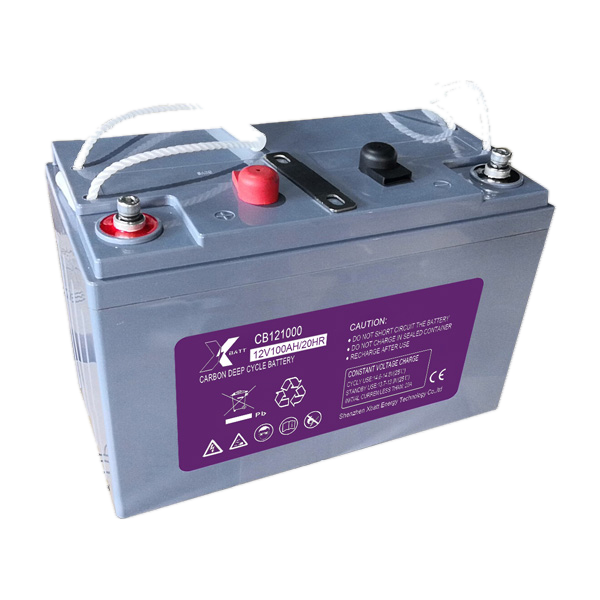
CB Series Lead-Carbon Battery
View details →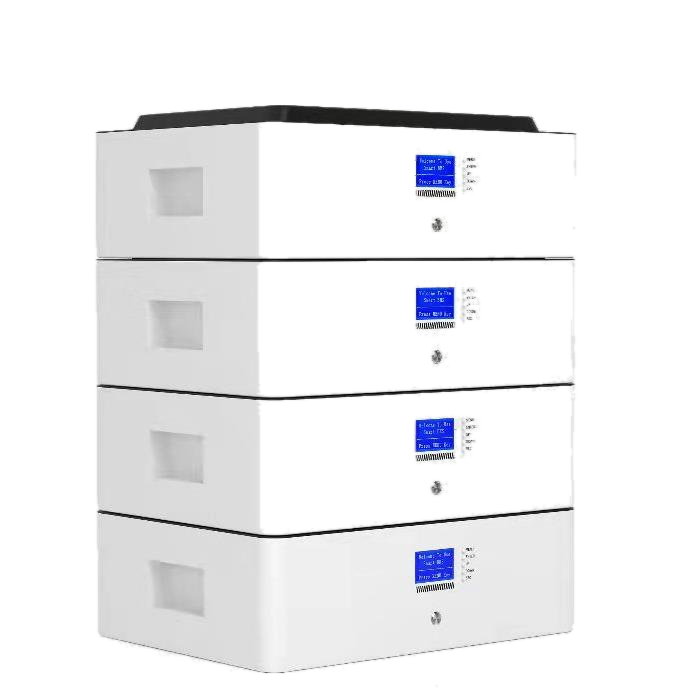
ST Series Stackable Energy Storage Battery
View details →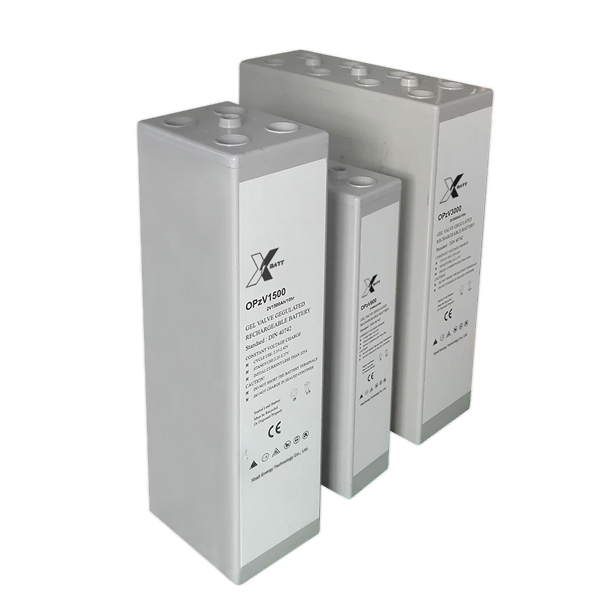
OPzV Series Tubular GEL
View details →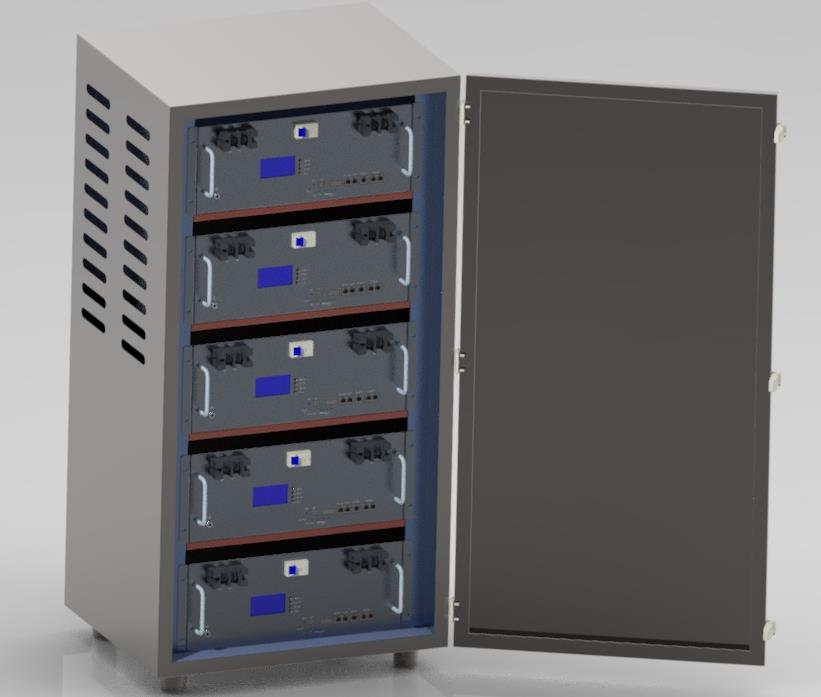
HV Series High Voltage Battery System
View details →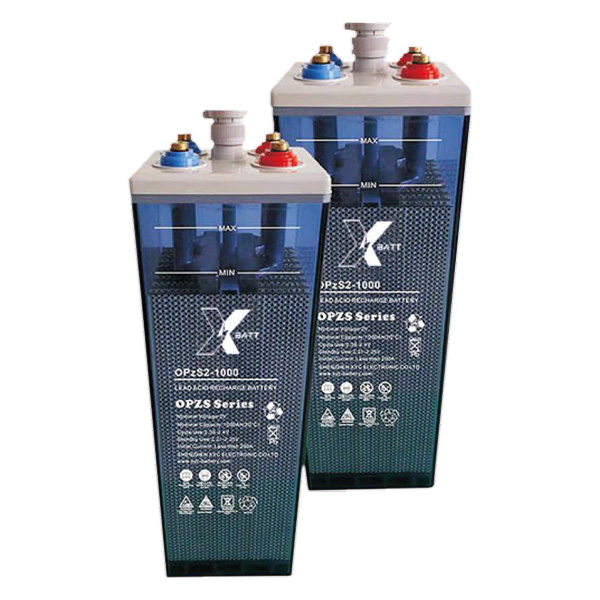
OPzS Series Tubular Flooded
View details →Buyer questions
Why 2 V cells instead of 12 V blocks for a base station?
At the same capacity, 2 V cells put fewer connections and less heat per unit volume into the string, and a single cell can be replaced on site. Twelve-volt blocks are cheaper and faster to install, which is why they dominate smaller cabinets and short backup times.
How much capacity do I lose at 45 °C?
As a working rule, lead-acid loses roughly 0.5% of rated capacity per °C below 25 °C and gains a little above it, but the life cost is far larger: every 10 °C above 25 °C roughly halves float life. Size for the hot cabinet, not for the datasheet at 25 °C.
Do front-terminal batteries cost more?
Usually 5 to 15% more per Ah than the equivalent standard-terminal block, and they pay that back in installation time, safer live maintenance and fewer damaged posts. For sites with a fixed maintenance window they are normally the cheaper choice overall.
Read before you quote
- One Bad Jar in a Lead-Acid String: Why We Replace the Whole String
- How to Optimize Charging Conditions to Extend Battery Service Life
- How to Properly Maintain Your Batteries? Our Engineers Break Down the Manual, All the Essentials in One Read
All applications
Send us the load profile
Tell us the voltage, runtime or days of autonomy, ambient temperature and target design life. We reply with a sized recommendation and an FOB price, usually within one working day.
Request a quote →