
Applications
Household Energy Storage Batteries
A home battery is not a big power bank. Three things decide whether it lasts ten years: what it is expected to back up, how deep it cycles, and where it is bolted. The same pack on a garage wall that reaches 45 °C in July ages at roughly twice the rate of one in a hallway cupboard, and no spec sheet tells you that up front.
What decides life in this duty
Decide the backup load before the kWh
Whole-home backup and essential-load backup are different products. Carrying a heat pump, an oven and an EV charger means a pack around three times the size of one that covers lights, fridge, router and boiler. Write the list in watts, multiply by hours, add the inverter's own consumption, and size on that number instead of on the salesman's rule of thumb.
Depth of discharge sets the warranty, not the label
A 10 kWh pack cycled to 80 % every day is not doing the same work as the same pack cycled to 50 %. LFP tolerates both, but the cycle count in the datasheet is quoted at a specific depth, usually 80 % or 90 %. Ask which depth the 6,000 cycles refer to before you compare two brands on that number alone.
Where it hangs decides how long it lasts
LiFePO4 wants to live between 15 and 30 °C and must not be charged below zero. A garage wall in a hot climate, or a cupboard beside the inverter, pushes the pack into derating and shortens calendar life. If the only wall available freezes in winter, the pack needs a heated version or a different room — a heat mat is cheaper than a replacement bank.
What to put in the RFQ
- Daily consumption and the backup load list, in watts
- Inverter type: hybrid, AC-coupled or off-grid
- Where the pack hangs, and the temperature there in July and January
- Grid standard the installation must meet
- Whether the utility allows export or zero-export only
Series built for this duty
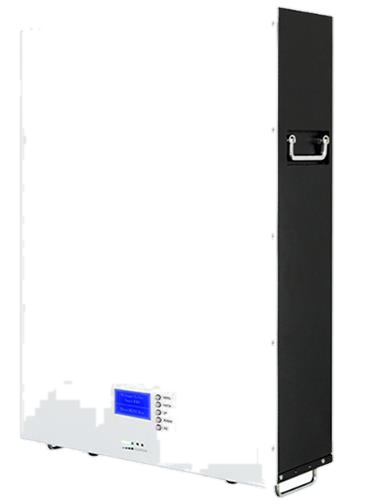
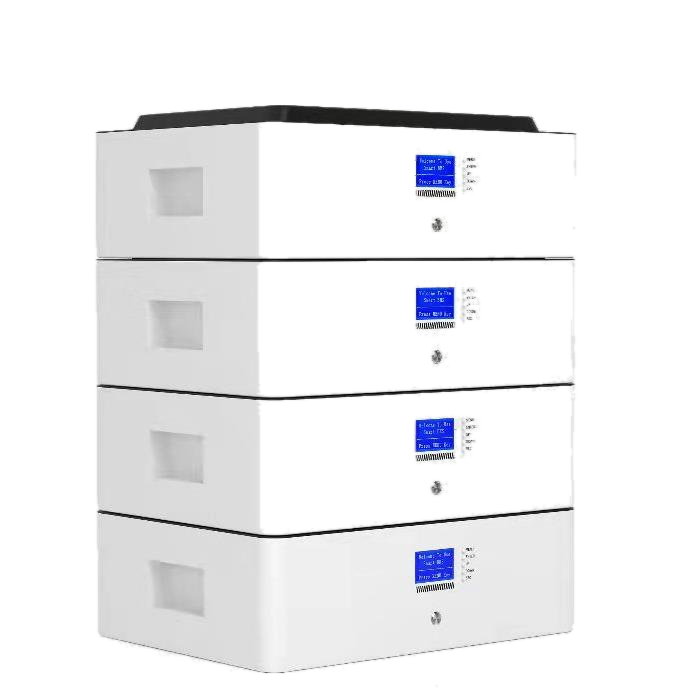
Pulled from the catalogue by application tag, not by marketing copy. Every series below is engineered for this load profile.
Buyer questions
Can I use lead-acid batteries for home storage?
You can, and for a backup-only system that cycles a few times a year, lead-acid still makes sense on cost. For daily cycling it does not: at 50 % depth you get a fraction of the cycles and twice the weight, so the price per usable kilowatt-hour over ten years usually goes the other way.
What does the pack need before it can be connected to the grid?
The inverter carries the grid approval, not the battery: EN 50549 or the local equivalent for the grid interface, plus the safety test reports for the pack itself. UL 9540A is a thermal-runaway test report rather than a certificate, and more utilities now ask for it on residential systems.
Why does the battery stop charging in winter?
Because it is below zero and the BMS is protecting the cells. Charging LFP below 0 °C plates lithium onto the anode and permanently reduces capacity. Some packs heat themselves before charging; the ones that do not simply wait for the room to warm up, which is why an unheated garage looks like a fault.
Read before you quote
- LiFePO4 Storage Battery in Cold Weather: What the 0 °C Charge Cutoff Really Costs You
- Why LiFePO4 Is Replacing Lead-Acid in Leisure and Storage Applications
- Your Battery Bank Is Not the Size on the Invoice
Main applications
Send us the load profile
Tell us the voltage, runtime or days of autonomy, ambient temperature and target design life. We reply with a sized recommendation and an FOB price, usually within one working day.
Request a quote →