
Applications
Industrial and Commercial Energy Storage Batteries
C&I storage is not one product, it is a load profile. A cabinet cycling twice a day for peak shaving and a flooded bank sitting on standby for eight years are both called industrial storage, and they want opposite batteries. The chemistry follows the cycle count, not the project size — that is the first decision, and it is usually made too late.
What decides life in this duty
Count the cycles before choosing the chemistry
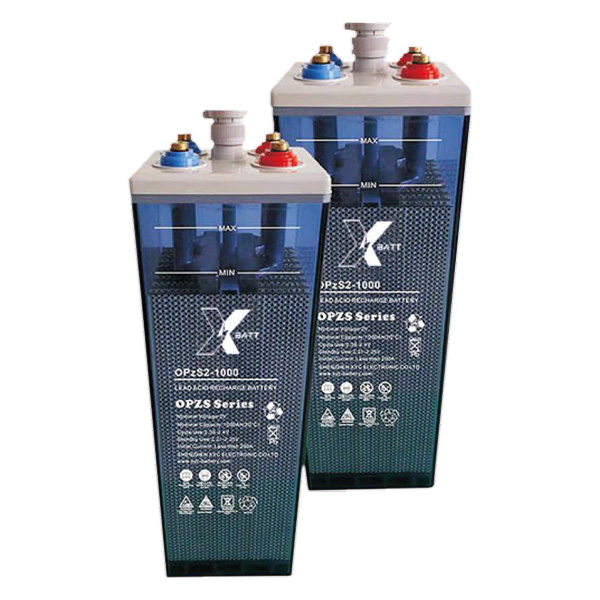
A backup bank that sees thirty cycles a year is a lead-acid job: flooded OPzS cells at a 20-year design life cost less per kWh installed and tolerate a hot plant room. At six hundred cycles a year the same bank is worn out in three years, and the cost per kWh moved flips to LiFePO4 by a wide margin. Write the annual cycle count and the depth of discharge into the specification before the chemistry is argued.
Temperature is what actually kills the cabinet
A ten degree rise in average cell temperature roughly halves calendar life, lithium and lead-acid alike. In a container the heat comes from the cells themselves, so the three to eight percent of throughput spent on cooling is not overhead, it is the difference between a ten-year and a five-year asset. Size the thermal design for the hottest day of the year, not the annual average.
The grid connection is not the battery supplier's signature
The cabinet is DC. Between it and the meter sit a PCS, a transformer, protection and an EMS, and the grid code applies to that whole chain — IEEE 1547, EN 50549 or the local equivalent, voltage ride-through and reactive power included. A battery datasheet cannot make a site compliant. Whoever commissions the plant signs for it, so fix the topology and the PCS before ordering cells.
What to put in the RFQ
- Full cycles per day and the depth of discharge you will actually run
- Transformer capacity and the voltage level at the point of connection
- Grid code that applies, ride-through and reactive power included
- Ambient temperature range and how the room is cooled
- Fire code and the test reports the authority will ask for
Series built for this duty
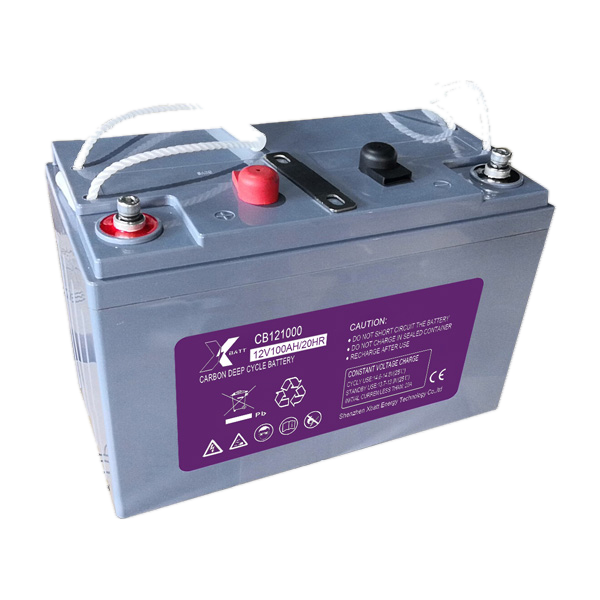
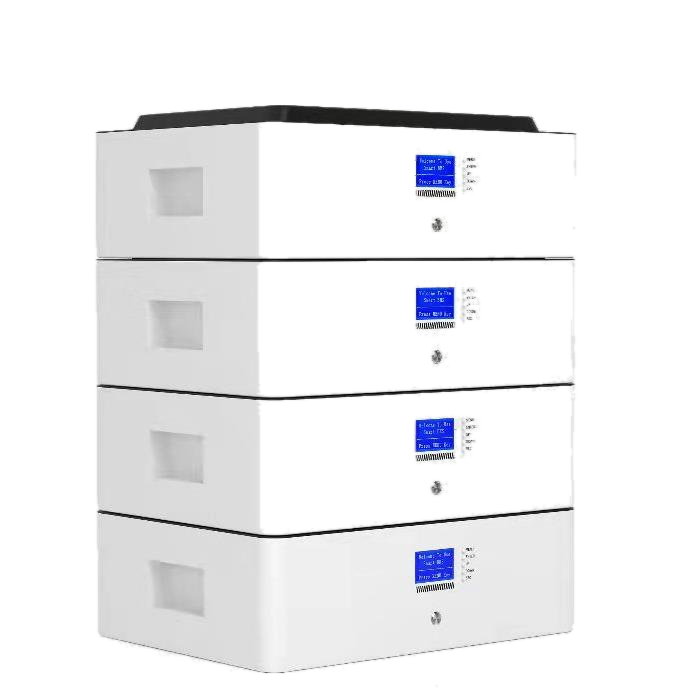
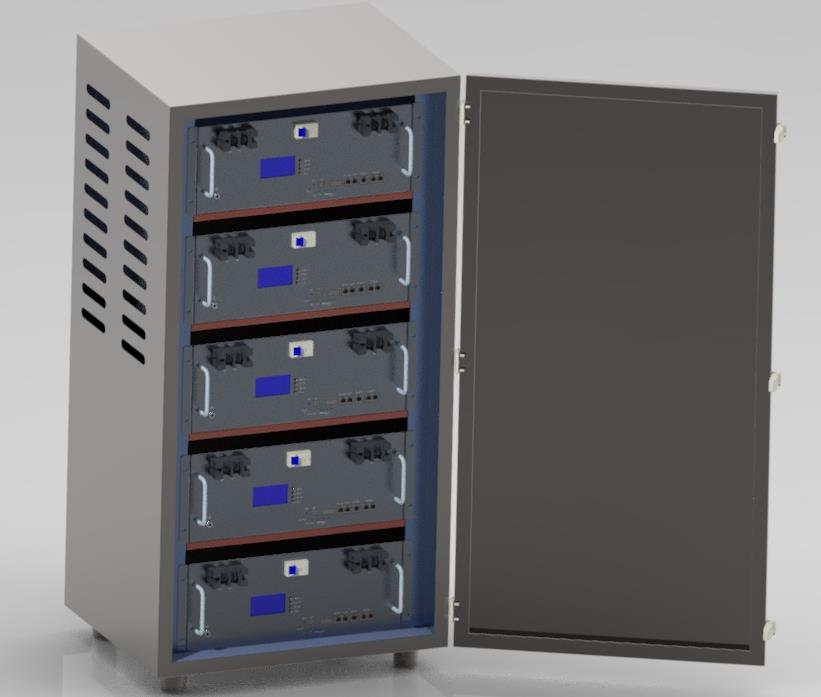
Pulled from the catalogue by application tag, not by marketing copy. Every series below is engineered for this load profile.
Buyer questions
Does industrial storage have to be lithium?
No. If the bank is standby or sees a few dozen cycles a year, flooded OPzS at a 20-year design life is still the cheapest way to hold kWh, and it needs neither a BMS nor active thermal management. Once you run a daily cycle, lead-acid's cost per kWh moved becomes three to five times that of LiFePO4 and the argument ends there.
Can a 215 kWh cabinet be connected to the grid as it is?
It is a DC asset. It needs a PCS, a transformer where the voltage level requires one, protection, an EMS and a commissioning test against the local grid code. The battery is one of five subsystems, and buying it first is how projects end up with a cabinet that cannot be energised.
Why does the same battery age faster on a southern site?
Cell temperature. Every ten degrees of average rise roughly doubles the ageing rate, and a container in direct sun runs well above ambient from noon onwards. Shade, airflow and correctly sized cooling buy more calendar life than a better cell at the same price.
Read before you quote
- Why LiFePO4 Is Replacing Lead-Acid in Leisure and Storage Applications
- 2.27 V Is Not a Setting. It Is a Temperature.
- One Bad Jar in a Lead-Acid String: Why We Replace the Whole String
- Your Battery Bank Is Not the Size on the Invoice
Main applications
Send us the load profile
Tell us the voltage, runtime or days of autonomy, ambient temperature and target design life. We reply with a sized recommendation and an FOB price, usually within one working day.
Request a quote →